


 Financing

7/14/2024
Understanding Arc Fault Circuit Interrupters
Share:


Concerned about the safety of your home’s electrical system? Understanding Arc Fault Circuit Interrupters (AFCIs) is key to preventing potential electrical fires and ensuring the safety of your family.
In this blog, we’ll dive into what AFCIs are, how they work, and why they are essential for modern homes. Let’s explore how AFCIs can protect your home.
What Are Arc Fault Circuit Interrupters (AFCIs)?
Arc Fault Circuit Interrupters, or AFCIs, are special safety devices installed in your home’s electrical system. They detect dangerous electrical arcs, which can happen when there are problems with your wiring.
Importance of AFCIs in Home Safety
Imagine you’re plugging in a device, and there’s a hidden wiring issue. An ordinary circuit breaker might not catch this problem, but an AFCI will. By detecting these small but hazardous arcs, AFCIs prevent electrical fires before they even start.
This makes them a crucial part of your home safety system, especially in places like Bedford, TX, Euless, TX, and Grapevine, TX, where protecting your family and property from fire hazards is a top priority.
How Do Arc Fault Circuit Interrupters (AFCIs) Work?
Mechanism Behind AFCIs
Arc Fault Circuit Interrupters (AFCIs) are designed to detect electrical arcs. These arcs can occur when there is damaged wiring or loose connections, causing electricity to jump from one wire to another, creating a spark.
This spark can ignite nearby flammable materials, leading to a fire. Arc Fault Circuit Interrupters monitor the electrical current in a circuit.
If they detect an unusual arc, they trip the circuit, cutting off the electricity and preventing a fire from starting. It’s like having a vigilant guard that constantly watches over your home’s wiring.
Comparison with Other Circuit Breakers
While AFCIs and standard circuit breakers both trip circuits, they serve different purposes. Traditional circuit breakers protect against overloading and short circuits, which occur when too much current flows through the wiring.
However, they may not detect dangerous arc faults. Ground Fault Circuit Interrupters (GFCIs) are another type, protecting against electric shock by shutting off the power when they detect ground faults.
AFCIs complement these devices by specifically targeting arc faults, making your electrical system safer and more robust.

Types of Arc Fault Circuit Interrupters (AFCIs)
Branch/Feeder AFCIs
Branch/Feeder Arc Fault Circuit Interrupters (AFCIs) are installed at the main electrical panel and protect the entire branch of circuits that run from the panel to various parts of your home.
They are ideal for safeguarding the wiring that feeds multiple outlets and devices throughout your house, providing broad protection against arc faults.
This type of AFCI is essential for preventing electrical fires that could spread through your home’s wiring network.
By monitoring the entire circuit, Branch/Feeder AFCIs offer a comprehensive safety solution. They are particularly useful in older homes where wiring may be more susceptible to wear and tear.
Combination AFCIs
Combination Arc Fault Circuit Interrupters (AFCIs) offer advanced protection by detecting both series and parallel arcs. Series arcs occur when there’s a break in a single wire, while parallel arcs happen between wires.
These AFCIs are versatile and provide comprehensive protection, making them suitable for a wide range of applications in residential settings.
Combination AFCIs are designed to offer enhanced safety for all parts of your electrical system, from the panel to the outlets. Their ability to detect multiple types of arcs makes them a reliable choice for ensuring electrical safety in any home.
Outlet Circuit AFCIs
Outlet Circuit Arc Fault Circuit Interrupters (AFCIs) are installed directly at electrical outlets. They protect the cord and plug connected to the outlet and the wiring running to it.
This localized protection is perfect for areas where specific outlets might be more susceptible to arc faults, such as bedrooms and living rooms.
Outlet Circuit AFCIs provide targeted safety for high-risk areas, ensuring that any issues are addressed at the source. This type of AFCI is especially beneficial for protecting devices that are frequently plugged in and unplugged.
Dual Function AFCIs
Dual Function Arc Fault Circuit Interrupters (AFCIs) combine the features of both AFCIs and Ground Fault Circuit Interrupters (GFCIs). They protect against arc faults and ground faults, which can cause electrical shock.
These dual-purpose devices are highly efficient, offering extensive safety benefits for kitchens, bathrooms, and other areas where water and electricity are present.
By integrating the functionalities of both types of interrupters, Dual Function AFCIs provide a robust defense against electrical hazards. This makes them an excellent choice for ensuring the highest level of protection in environments with increased risk factors.
Common Causes of Arc Faults
Electrical Wiring Issues
One of the primary causes of arc faults is problems with electrical wiring. Over time, wires can become damaged or degraded due to wear and tear, pests, or accidental damage.
Exposure to moisture or extreme temperatures can also accelerate the deterioration of wiring insulation. Poorly installed wiring can lead to arcs, making it crucial to have your home’s wiring inspected by a professional regularly.
Regular inspections can identify potential issues before they become serious hazards, thus preventing arc faults that Arc Fault Circuit Interrupters are designed to detect.
Damaged Cords and Wires
Appliance cords and extension wires can suffer from wear and tear over time. If these cords are bent, pinched, or damaged in any way, they can create arcs that may lead to a fire.
Pets chewing on cords or furniture pressing against them can also cause damage. Always inspect cords for visible signs of damage and replace them if necessary to prevent arc faults.
Additionally, avoid using cords that are frayed or have exposed wires, as they pose a significant risk. Regularly checking and maintaining your appliance cords can help Arc Fault Circuit Interrupters do their job more effectively.
Loose Connections
Loose connections in electrical outlets, switches, and junction boxes can cause arc faults. When connections are not secure, the electricity can jump the gap, creating an arc.
This can happen due to vibration, aging of components, or improper installation. Ensuring all connections are tight and secure can help minimize the risk of arc faults in your home.
Regular maintenance and inspections by a qualified electrician can help detect and fix loose connections before they become problematic. By doing so, you can ensure that your Arc Fault Circuit Interrupters provide optimal protection against electrical hazards.
Identifying Arc Faults in Your Home
Signs of Potential Arc Faults
Certain indicators can signal the presence of arc faults in your electrical system. Look out for:
- Flickering or dimming lights: This can be a sign of loose connections or damaged wiring.
- Buzzing or crackling sounds: Unusual noises from outlets or switches might indicate arcing.
- Burning smell: If you detect a burning odor near outlets or switches, it could be due to overheating caused by arcing.
- Tripping circuit breakers: Frequent trips could point to arc faults.
Diagnostic Tools and Techniques
To accurately diagnose arc faults, electricians use specialized tools and techniques. AFCI test devices can simulate arc faults, helping to ensure that AFCIs in your home are functioning correctly.
Additionally, professional electricians employ thorough inspections and advanced diagnostic equipment to identify and address any potential issues within your electrical system.

Installing AFCIs
Pros and Cons of DIY Installation
Installing AFCIs yourself can be tempting if you’re handy with electrical work. It can save you money and give you the satisfaction of doing it yourself.
However, it also comes with significant risks. Incorrect installation can lead to malfunctioning AFCIs, which might fail to protect your home from arc faults.
Additionally, working with electricity can be dangerous if you’re not experienced. Without proper knowledge and tools, you might end up causing more harm than good.
Importance of Professional Installation
Hiring a professional electrician for AFCI installation is generally the safer and more reliable option.
Professionals have the expertise to ensure that AFCIs are installed correctly and in compliance with local electrical codes.
They can also identify and address any underlying issues in your electrical system that might contribute to arc faults.
While it may cost more upfront, professional installation provides peace of mind, knowing your home is protected by properly functioning AFCIs.
Benefits of Arc Fault Circuit Interrupters (AFCIs)
Enhanced Electrical Safety
AFCIs significantly enhance your home’s electrical safety by detecting and stopping dangerous arc faults. These faults can occur without warning, potentially leading to electrical fires.
By preventing these hazards, AFCIs create a safer living environment for you and your family. They continuously monitor your electrical system, providing a critical layer of protection.
This vigilance helps in avoiding unexpected electrical mishaps, ensuring peace of mind for homeowners.
Prevention of Electrical Fires
Electrical fires are a serious risk in any home. AFCIs help prevent these fires by cutting off the power before an arc fault can ignite a blaze. This proactive measure is crucial, especially in areas like Bedford, TX, Euless, TX, and Grapevine, TX, where protecting property and lives from fire hazards is a top priority.
By addressing the problem at its source, AFCIs minimize the chances of fire-related incidents. This protection is vital for maintaining a safe living environment for your family.
Compliance with Electrical Codes
Many local and national electrical codes now require AFCIs in specific areas of the home. By installing AFCIs, you ensure your home meets these regulations, avoiding potential fines and ensuring that your electrical system is up to modern safety standards.
Compliance with these codes not only provides legal protection but also ensures that your home’s electrical system is safer and more reliable.
Staying updated with these requirements helps in maintaining a safe and code-compliant household. This compliance also enhances the overall value and safety of your property.
Arc Fault Circuit Interrupters (AFCIs) and Electrical Codes
National Electrical Code (NEC) Requirements
The National Electrical Code (NEC) sets the benchmark for electrical safety in homes across the United States. According to the NEC, AFCIs are required in almost every room where standard electrical outlets are installed.
In addition to the NEC, local building codes might have specific requirements regarding AFCI installation. These regulations can vary by state and municipality, so it’s important to be aware of the codes applicable in your area.
For instance, in places like Bedford, TX, Euless, TX, and Grapevine, TX, local authorities might have additional rules to enhance electrical safety in homes.
Adhering to both national and local codes ensures that your home’s electrical system is as safe and up-to-date as possible.
Troubleshooting Arc Fault Circuit Interrupters (AFCIs) Issues
Common Problems and Solutions
- Nuisance Tripping: Sometimes, AFCIs might trip without an obvious cause. This can be due to incompatible devices or minor issues within the circuit. To resolve this, unplug appliances one by one to identify the culprit. If the problem persists, consult an electrician.
- AFCI Won’t Reset: If your AFCI doesn’t reset after tripping, there could be a persistent arc fault or a wiring issue. Check for damaged wires or connections. If you can’t find the problem, call a professional to inspect the circuit.
- Frequent Tripping: If your AFCI trips frequently, it might be a sign of a more serious wiring issue or multiple arc faults. Regular inspection and maintenance can help identify and fix these problems before they escalate.
When to Call an Electrician
While some AFCI issues can be resolved with simple troubleshooting, others require professional expertise. If you experience frequent tripping, cannot reset the AFCI, or suspect a serious wiring issue, it’s best to call an electrician.
They have the tools and knowledge to diagnose and fix complex problems, ensuring your home remains safe.
Maintaining Your AFCIs
Regular Testing Procedures
To keep your AFCIs in good working order, it’s important to test them regularly. Most AFCIs come with a test button. Here’s how you can test them:
- Press the Test Button: Locate the test button on your AFCI breaker or outlet.
- Check for Tripping: Press the button. If the AFCI is working correctly, it should trip, cutting off power to the circuit.
- Reset the AFCI: After the test, reset the AFCI by switching it back to the “on” position or pressing the reset button.
It’s a good idea to perform this test monthly to ensure your AFCIs are functioning properly.
Long-term Maintenance Tips
Maintaining your AFCIs goes beyond regular testing. Here are a few long-term maintenance tips:
- Inspect Wiring Regularly: Check your home’s wiring for any signs of wear, damage, or loose connections. Damaged wires can cause arc faults that AFCIs are designed to detect and prevent.
- Avoid Overloading Circuits: Ensure you’re not overloading circuits with too many appliances, which can cause electrical issues and potential arc faults.
- Professional Inspections: Schedule regular inspections with a licensed electrician. They can identify and fix any issues that might affect your AFCIs’ performance.
- Update Electrical Systems: If your home has an older electrical system, consider updating it. Modern wiring and components work better with AFCIs, ensuring optimal protection.
Protect Your Home with Tioga Plumbing & Electric
Is your home in Bedford, TX, Euless, TX, or Grapevine, TX protected against electrical hazards? Contact Tioga Plumbing & Electric today at (682) 224-0757 for professional Arc Fault Circuit Interrupter installations.
Our expert electricians will ensure your home is safe and up to code. Don’t wait until it’s too late—schedule your inspection and upgrade now to safeguard your family and property.
FAQs About Arc Fault Circuit Interrupters
What is the lifespan of an Arc Fault Circuit Interrupter?
The typical lifespan of an Arc Fault Circuit Interrupter (AFCI) is around 15 to 20 years. However, this can vary based on the quality of the device and the conditions it operates under. Regular testing and maintenance can help ensure that Arc Fault Circuit Interrupters remain effective throughout their lifespan.
Can Arc Fault Circuit Interrupters prevent all electrical fires?
While Arc Fault Circuit Interrupters are highly effective at detecting and preventing many types of electrical fires caused by arc faults, they cannot prevent all electrical fires. Fires caused by overloaded circuits, faulty appliances, or external factors like lightning still require other safety measures.
Are Arc Fault Circuit Interrupters required by law in all states?
The requirement for Arc Fault Circuit Interrupters varies by state and local regulations. The National Electrical Code (NEC) mandates Arc Fault Circuit Interrupters in most residential areas, but enforcement can differ. It’s important to check your local building codes to understand the specific requirements in your area.
Can I install Arc Fault Circuit Interrupters myself, or do I need an electrician?
It’s recommended to test your Arc Fault Circuit Interrupters monthly. Regular testing ensures that they are functioning correctly and can detect arc faults when they occur, providing continuous protection for your home. Keeping a schedule for testing helps maintain your home’s electrical safety.
Share:
Taking a bite out of Your Plumbing & Electrical needs
 682-224-0757
Other Electrical & Plumbing Services
Taking a bite out ofYour Plumbing & Electrical needs

Why Hiring a Professional Plumber in Benbrook Saves You Time and Money
A small leak can turn into water damage fast, and a “simple clog” can become a weekend-long headache if the fix is wrong. In Benbrook, cold snaps, drought cycles, and shifting soil can push plumbing systems to their limits, especially in older homes or properties with past DIY work. We see this every week at... Read more »

Why You Need a Licensed Plumber in White Settlement for Home Repairs
A burst pipe, a clogged drain that keeps coming back, or a leaking water heater can derail your whole week, especially when the damage spreads behind walls or under floors. For White Settlement homeowners, the quickest path back to normal is usually the safest one: a licensed plumber who can diagnose the real cause and... Read more »
Preparing Your Benbrook Home for Power Outages with Backup Solutions
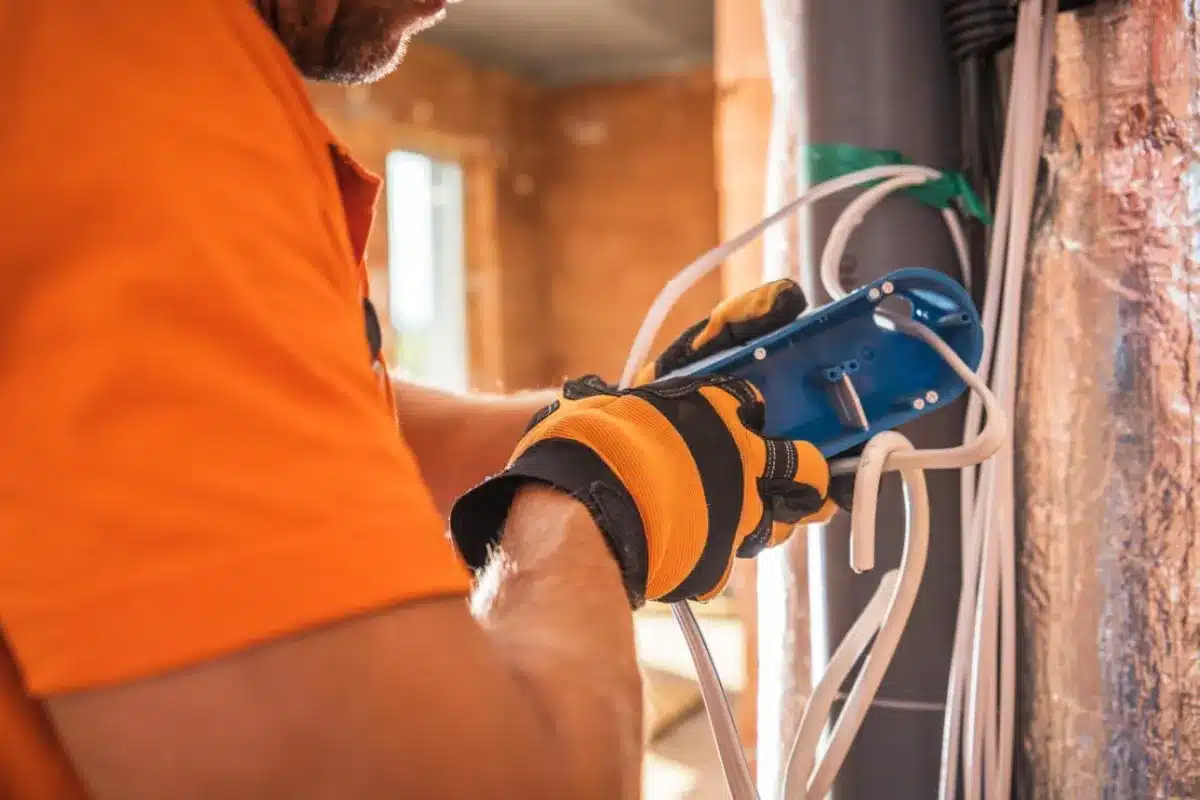
In Texas, extreme heat, ice, and severe storms can all push the electrical grid hard. Benbrook homeowners choose backup power solutions that can make the difference between a minor inconvenience and a costly emergency. When the power goes out, the impact is not just comfort. It can affect food safety, home security, medical equipment, and... Read more »

How Professional Electrical Inspections Prevent Major Repairs in Benbrook
Electrical problems rarely start with a dramatic bang. In most Benbrook homes, they show up as small annoyances, like a breaker that trips “for no reason” or lights that flicker when the AC kicks on. That is why electrical inspections are worth treating like preventive care, not a last-minute scramble. At Tioga Plumbing and Electric,... Read more »

Electric Vehicle Charging Station Installation Guide for Benbrook Residents
Between triple-digit summers and more Texans switching to EVs, reliable home charging is becoming a real quality of life upgrade in Benbrook. EV charging station installation is not just about convenience; it is about safety, code compliance, and making sure your electrical system can handle a new continuous load without overheating conductors or tripping breakers.... Read more »

Signs You Need a Licensed Electrician in White Settlement Right Away
If you own a home in White Settlement, your electrical system is working harder than ever. Between high-demand HVAC cycles, smart home devices, and newer additions like EV chargers, even “small” symptoms can turn into expensive repairs fast. At Tioga Plumbing and Electric, we treat warning signs as early opportunities to protect your home, your... Read more »
How Professional Electrical Inspections Prevent Major Repairs in White Settlement
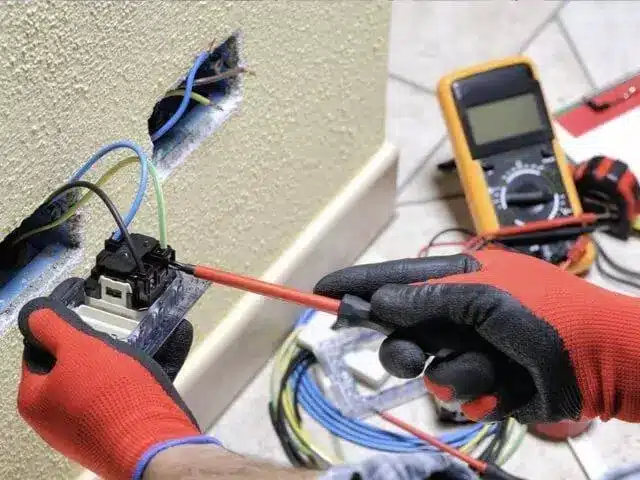
Most of us only think about our electrical system when something stops working. But in White Settlement, where many neighborhoods include homes built in the 1950s through the 1980s, aging breaker panels, older wiring, and past DIY changes can quietly increase risk over time. Electrical inspections in White Settlement help you catch those small issues... Read more »

Common Electrical Safety Issues Found in Older White Settlement Homes
Many homes in White Settlement, Texas, were built decades before modern electrical codes established today’s safety standards. As a result, homeowners may unknowingly live with outdated wiring, undersized panels or missing safety devices. These electrical safety issues rarely show obvious warning signs until a problem occurs. Taking a proactive, safety-first approach helps protect your home,... Read more »
When Is the Right Time for an Electrical Panel Upgrade in Benbrook?
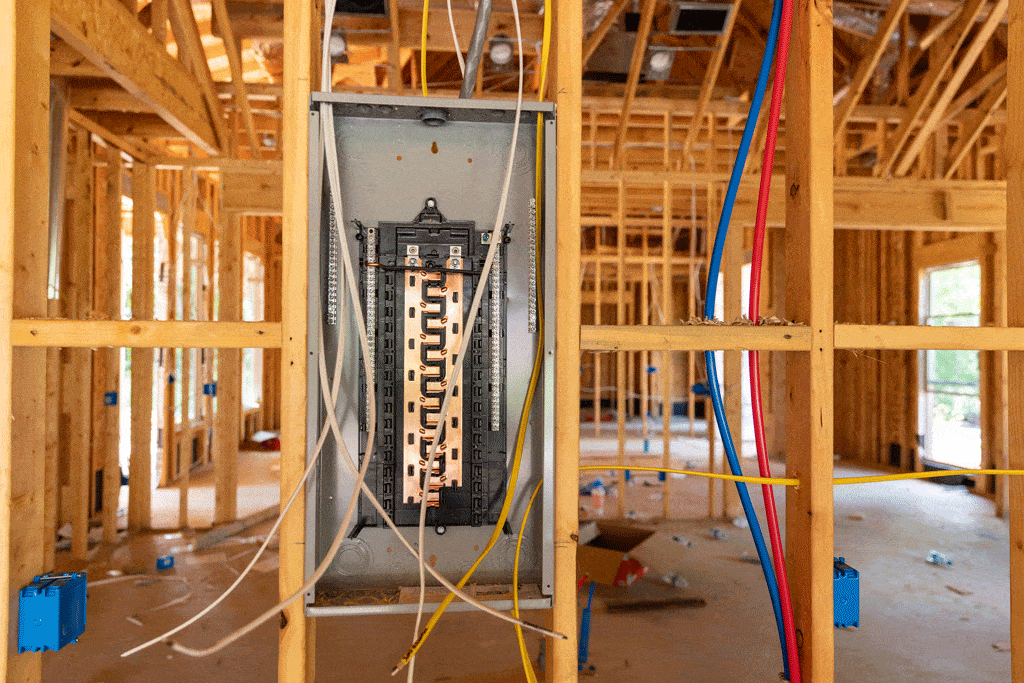
An outdated electrical panel is more than an inconvenience, it can pose a serious safety risk. As homes add more appliances, EV chargers, and smart devices, older systems may struggle to safely distribute electricity. If you’re wondering when it’s time for an electrical panel upgrade, this guide explains the warning signs homeowners should watch for. ... Read more »

Taking a bite out ofYour Plumbing & Electrical needs
We make fixing your home easier than ever. Whether it’s a leaky pipe, faulty wiring, or an urgent repair, our experts deliver fast, reliable solutions you can count on.