


 Financing

7/22/2026
The Essential Seasonal Home Maintenance Checklist for Summer Heat
Share:


Why Extreme Summer Heat Demands a Specialized Maintenance Strategy
Your air conditioner is running nonstop, but the hidden structural stress on your home’s infrastructure is already building, which is why a targeted seasonal home maintenance checklist is critical right now. July peak heat indices create an immediate need for system readiness, pushing both electrical panels and underground pipes to their operational limits. General chores like cleaning gutters or wiping down baseboards are helpful, but they do not protect your property from catastrophic utility failures during periods of seasonal temperature extremes.
To protect your home from sudden breakdowns, you need comprehensive plumbing services and electrical audits before the highest temperatures arrive.
A proactive maintenance strategy focuses on technical vulnerabilities rather than cosmetic upkeep. When temperatures consistently stay in the upper nineties or cross into the triple digits, materials expand, soils shift, and electrical resistance increases. This physical reality means that systems operating perfectly in April can easily fail by August if left unchecked. A proper seasonal audit involves evaluating the specific load capacities of your electrical panel and the structural integrity of your underground plumbing.
By shifting from a reactive mindset—waiting for a pipe to burst or a breaker to trip—to a proactive evaluation, you prevent expensive emergency repairs. This guide provides a clear roadmap for identifying the hidden stress points in your home, detailing exactly what you can safely inspect yourself and when a licensed technician is required to prevent a full system failure.
The Impact of Heat and Drought on Underground Plumbing
Prolonged dry spells and high temperatures do more than just dry out your lawn; they fundamentally alter the ground supporting your home. In areas like Hurst TX, expansive clay soils are highly reactive to moisture levels. During extreme drought conditions, this clay soil loses water rapidly, causing it to shrink and pull away from your home’s foundation and underground utility lines. This geological movement puts immense structural strain on buried plumbing.
When the soil recedes, the heavy water and sewer pipes lose their physical support. This lack of support can cause pipes to sag, creating “bellies” where waste and water pool instead of flowing to the municipal sewer. Over time, the sheer weight and tension can lead to micro-fractures or complete line separations. Reactive repairs for a snapped main sewer line are exponentially more costly and disruptive than a proactive summer evaluation that catches early signs of stress.
Identifying Soil-Induced Plumbing Stress
Homeowners should monitor their property for physical changes that indicate soil-induced plumbing stress. Catching these warning signs early allows for minimally invasive corrections.
| Visual Indicator | Underlying Cause | Potential Plumbing Impact |
|---|---|---|
| Soil pulling away from the foundation | Severe moisture loss in expansive clay | Loss of support for main water and sewer lines entering the home |
| Sudden drop in water pressure | A newly formed leak or fracture in the main supply line | Water loss into the surrounding soil, increasing utility bills |
| Slow drains across multiple fixtures | A belly or sag in the main sewer line | Waste backup, potential health hazards, and severe clogs |
| Unexplained lush patches of grass | Underground water or sewer leak fertilizing the lawn | Erosion of soil support, leading to larger pipe fractures |
If you notice the ground cracking deeply around the perimeter of your house, it is a strong indicator that the soil is shrinking. Pay close attention to how your plumbing behaves during these extreme dry periods. A sudden change in water flow, unusual gurgling sounds from the toilet, or unexpected drainage issues are all symptoms that the shifting earth has compromised your underground lines.
Electrical Panel Vulnerabilities During Peak Cooling Loads
High summer temperatures exponentially increase residential cooling electrical loads. When the heat index spikes, HVAC systems run longer and work harder to maintain indoor comfort. This massive draw of electricity puts severe stress on your home’s electrical panel, especially if the infrastructure is outdated. Localized grid stability is often tested during ERCOT summer demand spikes, but the immediate danger usually lies within your own garage or utility room.
An electrical panel is designed to distribute power safely, but older panels were not built to handle the amperage required by modern, high-efficiency cooling systems running continuously during seasonal temperature extremes. When a panel is overloaded, the breakers may trip frequently. However, if a breaker fails to trip, the excess current generates intense heat. This heat can degrade the insulation on exposed or aging wiring, increasing the risk of an electrical fire.
The mechanics of thermal degradation:
- Increased resistance: As wiring heats up, its electrical resistance increases, which in turn generates even more heat in a dangerous feedback loop.
- Insulation melting: The protective plastic or rubber coating around wires can melt or become brittle, exposing live copper.
- Connection loosening: The constant cycle of heating and cooling causes metal components to expand and contract, which can loosen terminal connections and cause dangerous arcing.
A professional load assessment before the peak August heat is the only way to verify that your panel can safely handle the sustained draw of your HVAC system alongside other major appliances. Technicians can measure the actual amperage draw on your circuits and identify thermal hotspots using infrared tools long before a physical failure occurs.
Safe DIY Seasonal Maintenance Tasks for Homeowners
While technical audits require a license, there are several vital tasks homeowners can perform to protect their property during seasonal temperature extremes. A careful, routine inspection reduces system strain and improves overall efficiency.
- HVAC filter replacement: Replacing your air filter every 30 to 60 days during the summer is the single most effective way to reduce strain on your AC blower motor. A clean filter improves indoor air quality (IAQ) and ensures maximum airflow, preventing the evaporator coil from freezing over.
- Visual inspections of exposed indoor plumbing: Check the cabinets under your kitchen and bathroom sinks for moisture, dark spots, or active drips. Inspect the area around your water heater for rust or pooling water. Catching a minor condensation leak early prevents cabinet rot and mold growth.
- Clearing debris from outdoor AC condensers: Your outdoor cooling unit needs unobstructed airflow to dissipate heat. Clear away leaves, overgrown branches, and dirt from the condenser fins. Maintain at least two feet of clearance around the entire unit and the adjacent utility meters.
- Testing safety systems: Summer storms can cause sudden power outages. Test your smoke detectors and carbon monoxide monitors to ensure the batteries are fresh. Verify that your fire extinguishers are fully charged and easily accessible.
- Flushing unused drains: In guest bathrooms or utility sinks that rarely see use, run the water for a minute every few weeks. This keeps the P-trap full of water, preventing dangerous sewer gases from backing up into the house.
Managing Summer Drain and Sewer Line Usage
Summer brings a distinct shift in household routines. With children home from school and families hosting more guests, the daily usage of household drains and sewer lines increases dramatically. This higher occupancy rate means more showers, more laundry, and a significantly heavier load on the kitchen sink and garbage disposal. In Hurst TX, this added usage often coincides with the exact time underground pipes are experiencing the most stress from soil shifting.
The risks of summer clogs are high. Increased food preparation often leads to fats, oils, and grease (FOG) being washed down the drain, where they solidify in the pipes. Additionally, sand, dirt, and grass clippings from summer outdoor activities frequently find their way into bathroom drains. When a clog occurs, rapid and accurate diagnostics are necessary to prevent the backup from damaging floors and cabinetry.
A typical pattern we see is when a clogged drain brings household activities to a halt on a weekend. In one instance, a customer needed an urgent Sunday appointment; a technician arrived within an hour to clear the line, diagnose the underlying issue, and explain the root cause clearly so the homeowners could prevent it from happening again. Preventative measures—such as using mesh drain catchers in showers and disposing of cooking grease in the trash rather than the sink—go a long way in keeping lines clear. When issues do arise, a straightforward diagnostic process ensures the problem is resolved without unnecessary destruction to your plumbing.
Integrating Eco-Friendly Plumbing Upgrades
As summer temperatures rise, municipalities often implement water usage restrictions to manage the local supply. Integrating eco-friendly plumbing upgrades serves as a direct mitigation strategy against these local drought restrictions, allowing you to maintain your household routines while significantly reducing your freshwater footprint during seasonal temperature extremes.
Water conservation during peak drought conditions is both an environmental responsibility and a financial benefit. Upgrading to low-flow toilets, aerated faucets, and high-efficiency showerheads can cut a household’s water usage by thousands of gallons a season. For a more robust solution, some homeowners are installing greywater recycling systems, which capture lightly used water from bathroom sinks and showers to irrigate the lawn, bypassing the need for fresh municipal water outdoors.
Many high-efficiency upgrades involve complex integrations between your plumbing and electrical systems. For example, switching from a traditional tank water heater to a modern electric tankless model provides endless hot water and saves space, but it requires a careful assessment of your home’s infrastructure. You must understand the specific plumbing requirements for electric tankless water heaters, as these units often require dedicated high-amperage circuits and upgraded electrical panels to function safely. Investing in these eco-friendly systems yields long-term financial savings through reduced utility bills, while simultaneously easing the strain on the regional water and power grids.
When to Call a Licensed Professional: The Red Flags
Knowing where DIY maintenance ends and professional intervention begins is critical for home safety. Attempting complex plumbing or electrical work without proper training and licensing poses severe safety hazards and violates local building codes. When high-stakes seasonal system audits are necessary, the necessity of a dually licensed expert ensures that both your plumbing and electrical infrastructures are evaluated safely and compliantly.
Homeowners must transition from DIY visual checks to calling a professional immediately if they observe specific warning signs. Do not attempt to reset a breaker that trips repeatedly, and never open an electrical panel cover to inspect the wiring yourself.
| System Red Flag | Potential Danger | Required Professional Action |
|---|---|---|
| Flickering or dimming lights when the AC turns on | Overloaded electrical panel or failing neutral connection | Comprehensive load test and panel inspection |
| Breakers that are hot to the touch or trip frequently | Severe thermal degradation and fire risk | Immediate circuit evaluation and breaker replacement |
| Slow drainage across all ground-floor fixtures | Main sewer line blockage or structural collapse | Camera inspection of the main sewer line |
| Unexplained water pooling near the foundation | Slab leak or broken subterranean supply line | Acoustic leak detection and pressure testing |
A comprehensive, dual-system evaluation by a licensed expert provides clarity and safety. One Hurst TX homeowner recently requested a general evaluation of their entire plumbing system. The technician evaluated all the plumbing components and provided a detailed report with clear resolution options, allowing the customer to make informed decisions without any high-pressure sales tactics. If you notice any of the red flags listed above, it is time to contact our plumbing experts to secure your home.

Securing Your Home’s Systems for the Summer Months
Proactive, technically sound maintenance is the best defense against the severe impacts of Hurst TX summer heat. By understanding how expansive clay soils affect your underground plumbing and how peak cooling loads stress your electrical panel, you can take meaningful steps to protect your property.
Maintaining a safe home requires balancing homeowner vigilance—like changing filters and monitoring for slow drains—with professional expertise. Schedule a comprehensive seasonal system audit before the peak heat causes a catastrophic failure, ensuring your home remains safe, efficient, and comfortable all summer long.
Frequently Asked Questions
What plumbing maintenance should be done in summer?
Summer plumbing maintenance should focus on inspecting exposed pipes for condensation leaks and monitoring water pressure. Because expansive clay soils shift during summer droughts, it is critical to watch for slow drains or sudden pressure drops that indicate underground pipe stress. Having a professional inspect your main sewer line can prevent major backups during high-usage months.
How do I prep my electrical system for high summer loads?
Preparing your electrical system involves having a licensed technician perform a load assessment on your main panel. They will check for loose connections, degraded insulation, and verify that your circuits can handle the continuous amperage draw of your air conditioner. Homeowners should also test all smoke detectors and clear debris from around the outdoor AC condenser.
Which summer home maintenance tasks require a professional?
Any task involving the internal components of your electrical panel, deep plumbing diagnostics, or refrigerant handling requires a licensed professional. While homeowners can safely change air filters and visually inspect pipes, diagnosing a tripping breaker or using a camera to inspect a main sewer line must be left to experts to ensure safety and code compliance.
How does extreme heat affect underground plumbing pipes?
Extreme heat leads to drought, which causes expansive clay soils to shrink and pull away from underground plumbing pipes. This loss of physical support creates immense structural tension, causing pipes to sag, belly, or eventually fracture under the weight of the earth. These subterranean shifts are a primary cause of summer sewer line failures.
What are the signs that my electrical panel is overloaded?
The most common signs of an overloaded electrical panel include breakers that trip frequently, lights that dim or flicker when the air conditioner turns on, and a slight buzzing sound coming from the breaker box. Additionally, if the panel itself feels warm or hot to the touch, you should call a licensed electrician immediately to prevent a fire hazard.
Share:
Taking a bite out of Your Plumbing needs
 817-484-5356
Other Plumbing Services
Taking a bite out ofYour Plumbing needs
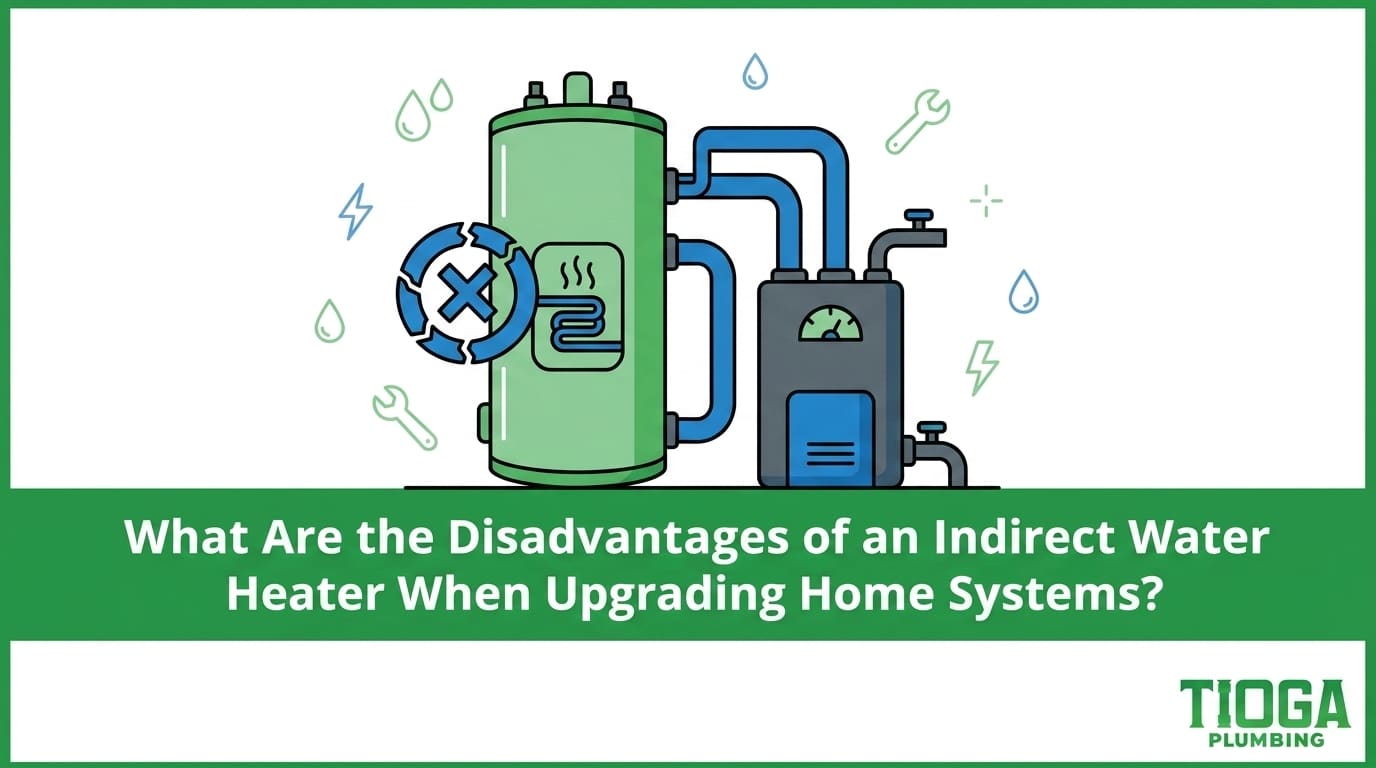
What Are the Disadvantages of an Indirect Water Heater When Upgrading Home Systems?
Navigating System Upgrades and Heavy Cooling Loads Your air conditioner is running non-stop to fight off the afternoon heat, but every time the compressor kicks on, the lights in your living room dim. In our years of keeping homes comfortable across Hurst TX, the team at Tioga Plumbing has found that when you start making... Read more »
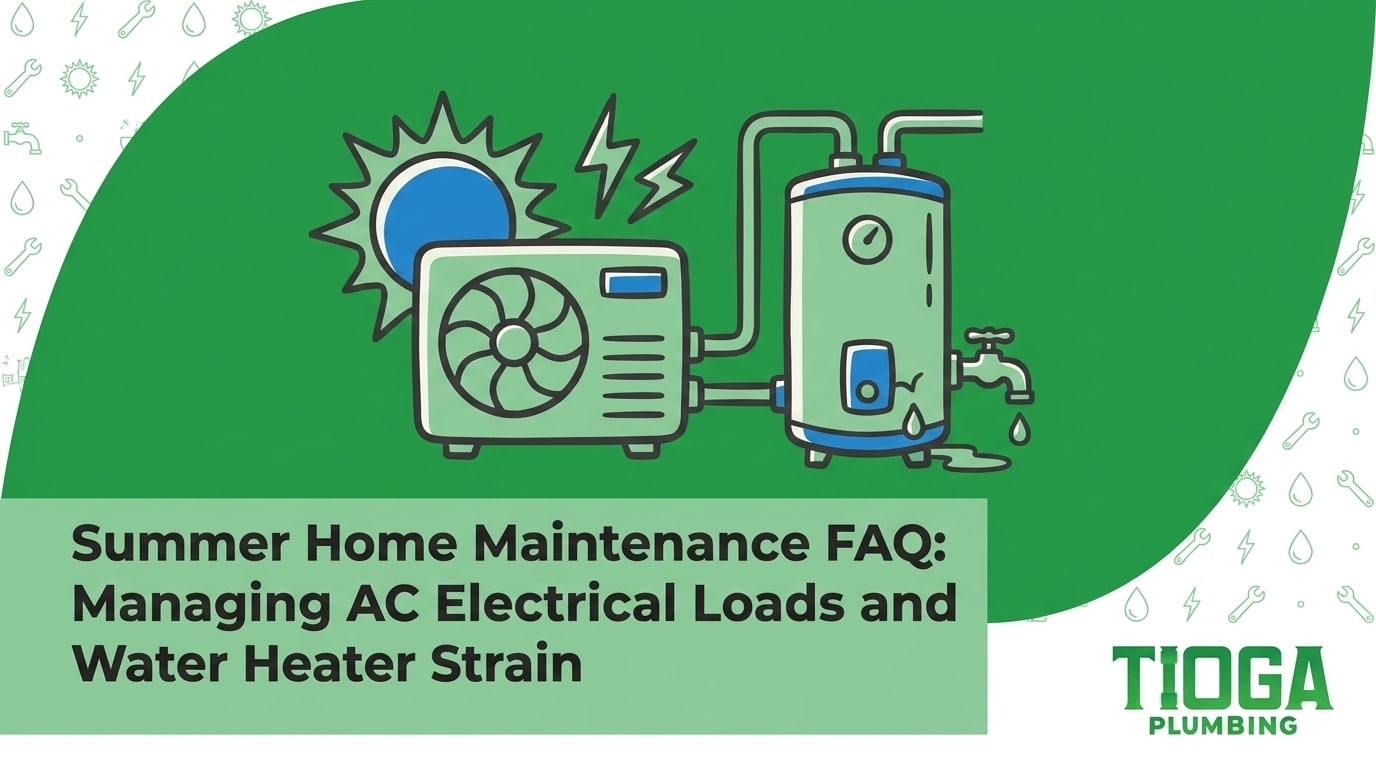
Summer Home Maintenance FAQ: Managing AC Electrical Loads and Water Heater Strain
Are Your Home Systems Ready for the Summer Heat? Is your air conditioner running nonstop, but your electrical panel keeps shutting it down? When putting together a seasonal home maintenance checklist, our team at Tioga Plumbing notices that most homeowners focus entirely on changing air filters and cleaning gutters. However, the extreme demands placed on... Read more »
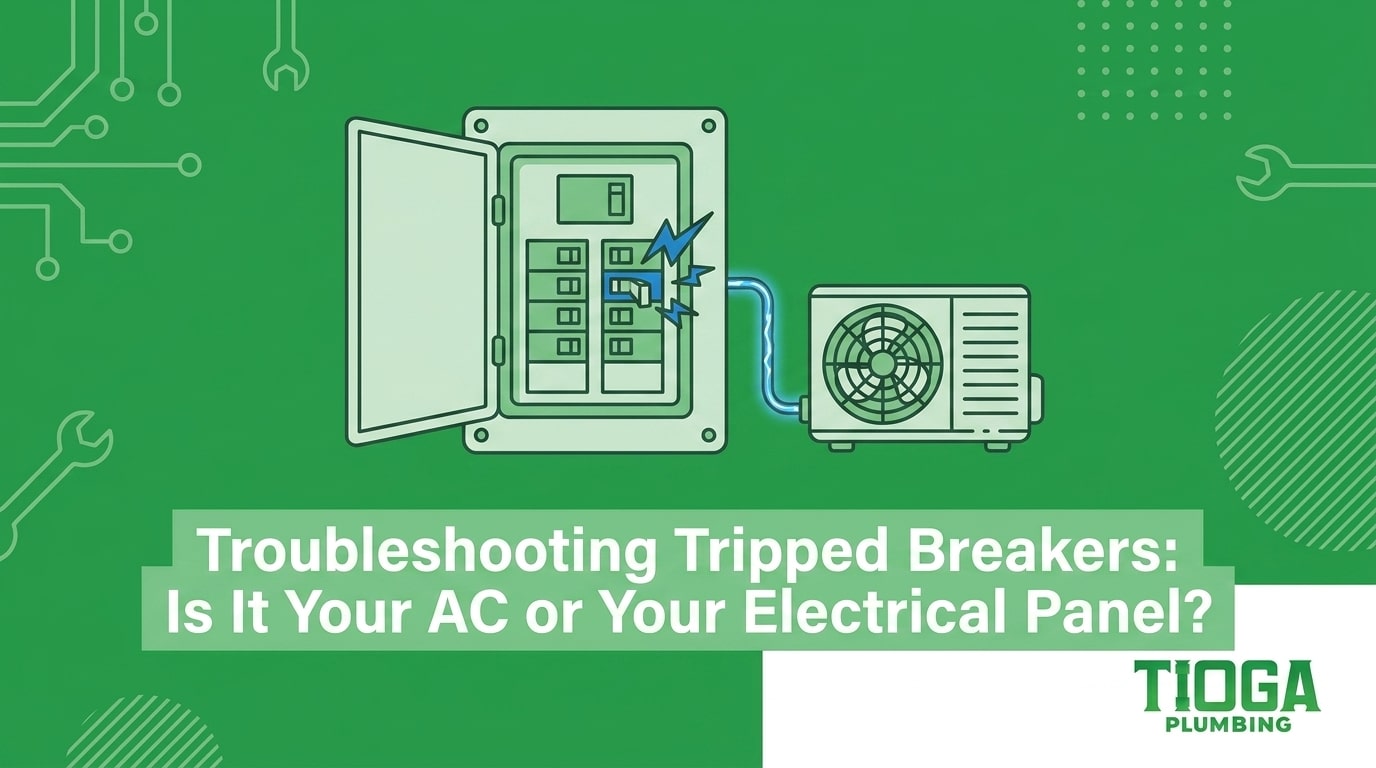
Troubleshooting Tripped Breakers: Is It Your AC or Your Electrical Panel?
The Myth of the Broken AC During a Heatwave When our dispatch team at Tioga Plumbing receives frantic calls on a scorching afternoon, most people believe that because their lights dimmed or the power abruptly cut out, their air conditioner has completely failed. However, when you are looking for reliable home maintenance tips and troubleshooting... Read more »
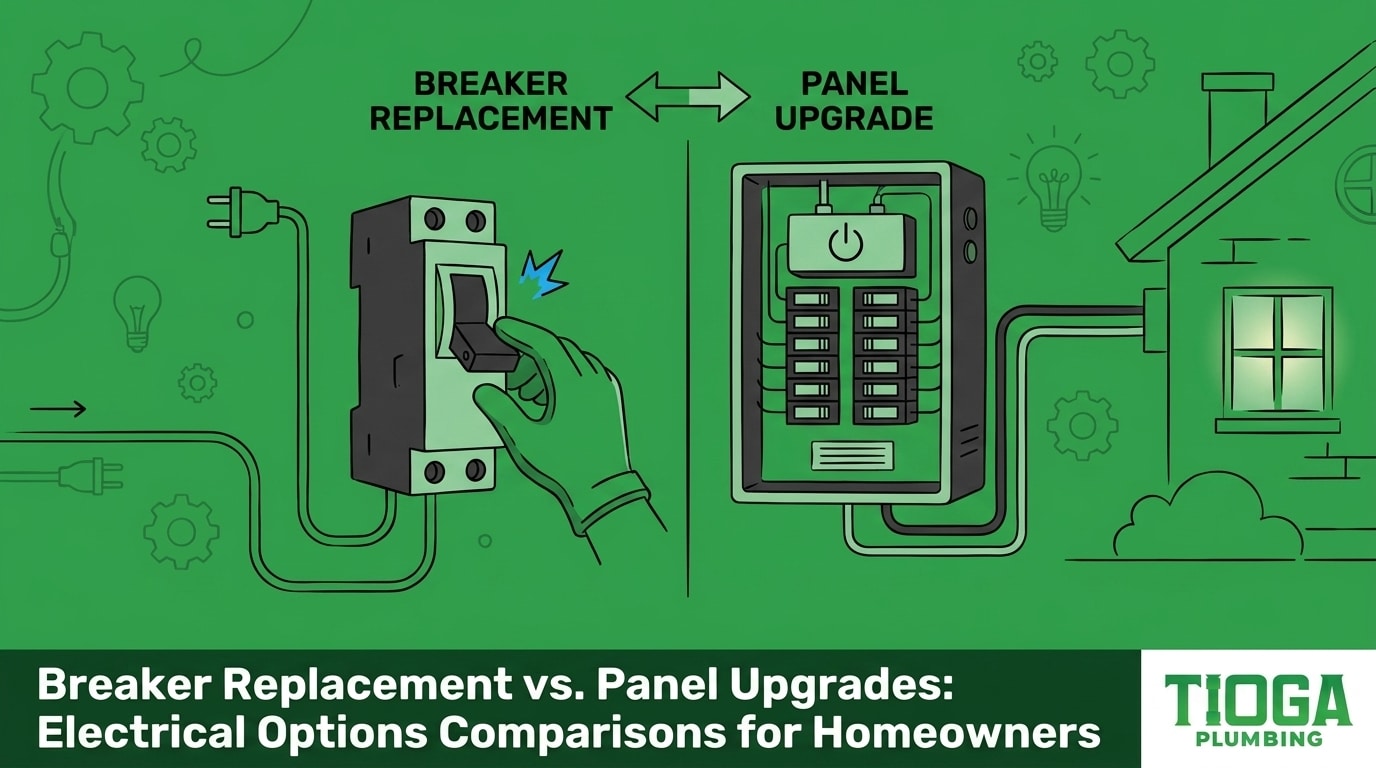
Breaker Replacement vs. Panel Upgrades: Electrical Options Comparisons for Homeowners
Is Your AC Constantly Tripping the Breaker in the Texas Heat? Are you finding yourself standing in front of your electrical panel every afternoon, flipping a tripped breaker just to keep your house cool? Losing your air conditioning during the July peak summer heat is more than just a minor inconvenience; it is a serious... Read more »
Got a $3,000+ Plumbing Quote? Get a Free Second Opinion
If another plumber handed you a quote of $3,000 or more, Tioga will come look at the same job for free and give you a written second opinion — even when the answer is that their price was fair.
Is the Gator Family Membership Worth $149 a Year?
One plan, $149 a year, ten inclusions. We do the arithmetic honestly — including who shouldn't buy it — and show where the membership pays for itself on a single service call.
How Plumbing Financing Works at Tioga (Step by Step)
Six steps from 'I can't pay for this today' to a scheduled repair. Tioga finances through Service Finance Company and Synchrony — a one-minute application that starts with a soft credit pull.
Water Softener vs. Whole-Home Filtration for DFW Homes
They solve different problems, and buying the wrong one is the most common water-treatment mistake we see. A side-by-side of what each removes, what it costs to run, and which DFW homes need both.
Drain Cleaning Cost in DFW: Auger vs. Hydro-Jetting
$185–$325 to auger one fixture, $285–$550 to clear a sewer main, $650–$1,200 to hydro-jet a lateral. Which one your symptoms call for, and why the cheapest option is sometimes the expensive one.

Taking a bite out ofYour Plumbing needs
We make fixing your home easier than ever. Whether it’s a leaky pipe, faulty wiring, or an urgent repair, our experts deliver fast, reliable solutions you can count on.