


 Financing

7/29/2026
Summer Home Maintenance FAQ: Managing AC Electrical Loads and Water Heater Strain
Share:


Are Your Home Systems Ready for the Summer Heat?
Is your air conditioner running nonstop, but your electrical panel keeps shutting it down? When putting together a seasonal home maintenance checklist, our team at Tioga Plumbing notices that most homeowners focus entirely on changing air filters and cleaning gutters. However, the extreme demands placed on your home’s infrastructure during severe weather require a much deeper look. During the peak July summer heat, continuous cooling loads push both your electrical panel and your major appliances to their absolute limits.
You might find yourself staring at a dark hallway, wondering if a tripped breaker is just a simple nuisance or a dangerous sign of a failing electrical panel. Making the right decision in that moment matters. Holistic seasonal maintenance means evaluating everything from overloaded circuits to hidden plumbing stress. Whether you need a simple breaker reset or a complex water heater repair or replacement, understanding how these systems interact under heavy strain is the first step toward a safer home.
Why Does My AC Keep Tripping the Circuit Breaker in the Summer?
Your air conditioner keeps tripping the circuit breaker because it is drawing more electrical current than the circuit is rated to handle safely. This creates a sustained maximum load on your electrical panel, forcing the breaker to trip to prevent the wires from overheating and starting a fire.
The Impact of Continuous Cooling Loads
To understand why this happens, you have to look at how air conditioning units consume power. Unlike a toaster or a microwave that runs for a few minutes and turns off, an air conditioning system operates under a continuous load. A continuous load means the appliance draws its maximum current for three hours or more. During peak July summer heat, your HVAC system rarely gets a chance to cycle off.
When the compressor kicks on, it requires a massive surge of electricity known as locked rotor amps (LRA). Once running, it settles into a steady draw. If the outdoor temperatures stay high, the system runs indefinitely. This continuous operation generates significant heat within the circuit breaker itself. Breakers are designed to handle 80% of their maximum rating for continuous loads. In our experience, if an aging AC unit starts pulling more amperage to compensate for hot weather, it easily pushes the breaker past that safe threshold.
Identifying Overloaded Circuits
A tripping breaker is actually doing exactly what it was designed to do: protect your home. It is a vital safety mechanism, never a nuisance to be bypassed. You can identify an overloaded circuit by observing a few key patterns.
- Frequent resets: The breaker trips during the hottest part of the day when the AC has been running for hours.
- Shared loads: Other high-draw appliances (like vacuums or hair dryers) cause the AC circuit to trip if they are improperly wired to the same line.
- Delayed tripping: The AC runs fine for an hour, but eventually trips as thermal heat builds up inside the electrical panel.
If you live in Hurst TX, you know that summer temperatures do not forgive weak electrical systems. Our technicians see firsthand how recognizing these signs early prevents catastrophic hardware failure down the line.
When Is It Unsafe to Reset a Tripped Breaker?
It is strictly unsafe to reset a tripped breaker if the switch trips again immediately after you turn it back on. This immediate secondary trip signals a direct short circuit, a grounded wire, or a severely degraded breaker mechanism that requires professional diagnosis.
Visual and Olfactory Warning Signs
Before you even touch your electrical panel during the peak July summer heat, you should perform a quick sensory check. Repeatedly forcing a breaker to stay on degrades the internal spring mechanisms and the contact points. Every time a breaker trips under a heavy load, a tiny electrical arc occurs inside. Over time, this arcing creates carbon buildup and resistance, which generates even more heat.
Here is a checklist of critical warning signs that mean you must stop and call a licensed professional:
- Burning odors: A distinct smell of melting plastic, burning rubber, or a fishy chemical odor coming from the metal box.
- Warm panel covers: The metal door or the specific breaker switch feels hot to the touch (warm is normal in a hot garage, but it should never feel hot enough to cause discomfort).
- Scorch marks: Black or brown discoloration around the breaker switch, the bus bar, or the panel door.
- Buzzing or crackling sounds: Audible electricity means loose connections are arcing dangerously inside the panel.
- Spongy switches: The breaker handle feels loose, fails to click firmly into the “on” or “off” position, or springs back to the middle immediately.
| Condition | Action Required | Safety Level |
|---|---|---|
| Breaker trips once during an unusual heat wave | Turn off the AC at the thermostat, reset the breaker once, and monitor. | Generally Safe |
| Breaker trips immediately upon reset | Leave it off. Call a licensed electrician. | Unsafe |
| Panel smells like burning plastic | Evacuate the immediate area. Call an electrician immediately. | Highly Dangerous |
| Breaker switch feels hot or spongy | Leave it off. Do not attempt further resets. | Unsafe |

How Does Summer Heat Impact Aging Electrical Panels?
Extreme summer heat combined with the internal electrical resistance of continuous cooling loads creates severe thermal expansion within aging electrical panels. When a panel is mounted in a hot garage or on an exterior wall in Hurst TX, the ambient temperature already pushes the equipment near its operational limits before the air conditioner even turns on.
Thermal Expansion in Electrical Components
Physics dictates that metal expands when it gets hot and contracts when it cools. Inside your electrical panel, aluminum and copper wires are secured to metal breaker terminals by small screws. As the peak summer sun beats down on the exterior wall, and the continuous current of the air conditioner flows through the wires, the metal components heat up and expand.
When the system finally cycles off at night, the metals cool and contract. Over decades, this constant cycle of expansion and contraction causes the terminal screws to slowly back out. Loosened connections are the enemy of electrical safety. A loose connection creates resistance, and electrical resistance generates intense localized heat. This localized heat eventually melts wire insulation, damages the breaker casing, and leads to micro-arcing.
Furthermore, electrical panels installed twenty or thirty years ago were simply not designed for the continuous cooling loads of modern, high-efficiency AC units. Older homes often have 100-amp or 150-amp services. A modern home running a 5-ton AC unit, multiple computers, a pool pump, and high-definition televisions can easily max out an older panel’s capacity. Framing a professional panel inspection as a non-negotiable part of your seasonal maintenance protects your home from these hidden, heat-induced failures. As an added bonus, upgrading an outdated panel to handle summer loads may qualify for generic federal tax credits or local utility incentive programs—though you should always verify current programs with your utility provider or a tax professional.
Summer Plumbing Strain: The Importance of Routine System Checks
While air conditioners and electrical panels take the brunt of the visible summer strain, your plumbing systems and major water appliances also require careful evaluation. A thorough seasonal checklist must cover all major home systems to ensure uninterrupted comfort and safety.
Comprehensive System Evaluations
During the peak July summer heat, families spend more time at home, take more showers to cool off, and run the washing machine more frequently for pool towels and summer clothes. This increased usage puts hidden stress on your water heater, drain lines, and supply pipes. A comprehensive, pressure-free evaluation of all home plumbing systems helps catch this hidden wear before it turns into a messy failure.
Many homeowners overlook their water heater during the cooling season, assuming it only works hard when temperatures drop. However, the constant demand for warm water combined with the ambient heat in utility closets or garages can stress aging tanks and valves. Recently, our team at Tioga Plumbing helped a Hurst homeowner who reached out for a general plumbing issue to get ahead of this seasonal wear. One of our technicians responded professionally, evaluated the entire plumbing system, and provided a detailed diagnostic report without any high-pressure sales tactics. Things were back to normal quickly after our technician did their job, giving the homeowner confidence that their systems were ready for the heavy summer usage.
Prioritizing water heater maintenance ensures that sediment buildup is flushed out, pressure relief valves are tested, and anode rods are inspected. Detailed diagnostic reports provided by professionals offer far more value than quick DIY fixes, allowing you to make informed decisions about your home’s infrastructure.
What Are the Disadvantages of an Indirect Water Heater?
An indirect water heater relies on the home’s main furnace or boiler to heat a fluid, which then circulates through a heat exchanger inside a storage tank to heat your domestic water. While some praise their performance in cooler climates, the primary disadvantage of an indirect water heater is that it forces your home’s heating system to fire up during the summer just to generate hot water.
Summer Inefficiency and Boiler Dependency
Running a boiler during the hottest months of the year is highly counterintuitive. When you live in Hurst TX, adding any unnecessary heat to your home’s interior is a major disadvantage. Even with well-insulated tanks and pipes, a boiler firing up in July radiates ambient heat into the surrounding utility room or basement.
This radiated heat forces your air conditioner to work harder to maintain a comfortable indoor temperature. As the AC works harder, it draws more amperage, which feeds right back into the electrical panel strain we discussed earlier. The dependency on the boiler also means that if your home heating system breaks down in the middle of summer, you lose your hot water supply as well.
Space and Installation Complexities
Another significant disadvantage is the physical footprint and installation complexity. Indirect setups require both a large storage tank and the boiler unit itself. This takes up considerably more floor space than a standalone tank or a wall-mounted tankless unit.
The complexity of the system also means higher upfront installation costs and more moving parts that require maintenance. You have circulator pumps, zone valves, and complex aquastat controls that all must communicate flawlessly. In our years of servicing these units, we’ve found that assessing and repairing complex systems like indirect water heaters requires a contractor uniquely equipped to handle both plumbing and electrical/HVAC integrations.
| System Feature | Indirect Water Heater | Standalone Tank/Tankless |
|---|---|---|
| Summer Operation | Requires boiler to fire up, adding ambient heat. | Operates independently, no extra home heating. |
| Space Requirements | Large footprint (tank + boiler required). | Smaller footprint (especially tankless). |
| System Dependency | If boiler fails, hot water fails. | Independent failure points. |
| Maintenance Complexity | High (pumps, heat exchangers, boiler controls). | Moderate (standard flushes, element checks). |
Evaluating these disadvantages helps you decide on the right system for your specific seasonal needs. Whether you keep your current setup or seek water heater repair for your type of system, understanding the summer drawbacks is crucial.
Frequently Asked Questions About Summer Home Maintenance
Keeping a home running smoothly during extreme heat requires proactive knowledge. Before diving into the specifics of tank vs. tankless water heater cost and replacement options, reviewing these common questions can help you identify baseline maintenance needs that our team recommends during the peak July summer heat.
What should be on a summer home maintenance checklist?
A comprehensive summer home maintenance checklist should include HVAC filter replacements, electrical panel visual inspections, and plumbing system evaluations. You should also clear debris from around your outdoor AC condenser unit to ensure proper airflow. Additionally, scheduling a professional flush of your water heater will remove sediment that causes the system to overheat during heavy summer usage.
Why does my AC keep tripping the circuit breaker in the summer?
Your AC keeps tripping the circuit breaker because the sustained high temperatures force the unit to run continuously without cycling off. This continuous operation pulls maximum amperage for hours on end, generating thermal heat inside the electrical panel. The breaker trips as a designed safety mechanism to prevent the internal wires from melting or catching fire under the heavy load.
How do I know if my electrical panel is bad?
You know your electrical panel is bad if you frequently experience tripped breakers, notice burning smells near the metal box, or see scorch marks around the switches. A panel that feels unusually warm to the touch or makes buzzing and crackling sounds is also a major red flag. Aging panels that cannot support the continuous loads of modern air conditioners often require professional upgrades.
Is it safe to keep resetting a tripped breaker?
No, it is not safe to keep resetting a tripped breaker. While resetting it once after a rare trip is generally acceptable, repeatedly forcing a breaker back to the “on” position degrades the internal spring mechanism. If a breaker trips immediately after you reset it, you must leave it off and contact a licensed electrician to diagnose the underlying short circuit or overload.
What are the disadvantages of an indirect water heater?
The main disadvantage of an indirect water heater is that it requires your home’s heating boiler to operate during the summer to produce hot water. This adds unnecessary ambient heat to your home, forcing your air conditioner to work harder. They also require a larger physical footprint and involve more complex maintenance due to the integration of pumps, valves, and boiler controls.
How often should a water heater be inspected?
A water heater should be professionally inspected at least once a year. Annual inspections allow a technician to check the anode rod, test the temperature and pressure relief valve, and flush built-up sediment from the tank. Catching minor wear and tear during a routine inspection prevents catastrophic leaks and ensures the system operates efficiently throughout the heavy demands of summer.
Prioritize Safety and Efficiency for Your Home Systems
A proper seasonal checklist goes far beyond simply changing air filters and wiping down baseboards. True home readiness in Hurst TX includes monitoring continuous electrical loads, recognizing the limits of aging panels, and ensuring appliance health across the board. We regularly see how the heavy demands of extreme weather expose the hidden weaknesses in both your wiring and your plumbing infrastructure.
Always prioritize safety criteria over temporary fixes. Never repeatedly reset a tripping breaker under heavy AC load, as this bypasses the very safety mechanisms designed to protect your property from electrical fires. Instead, rely on our licensed professionals at Tioga Plumbing, who can safely evaluate both electrical panels and complex plumbing systems. Taking a proactive approach to your home’s maintenance guarantees that you receive clear, safety-first criteria on when to reset a system and when to call for help, allowing you to enjoy a comfortable, stress-free summer.
Share:
Taking a bite out of Your Plumbing needs
 817-484-5356
Other Plumbing Services
Taking a bite out ofYour Plumbing needs
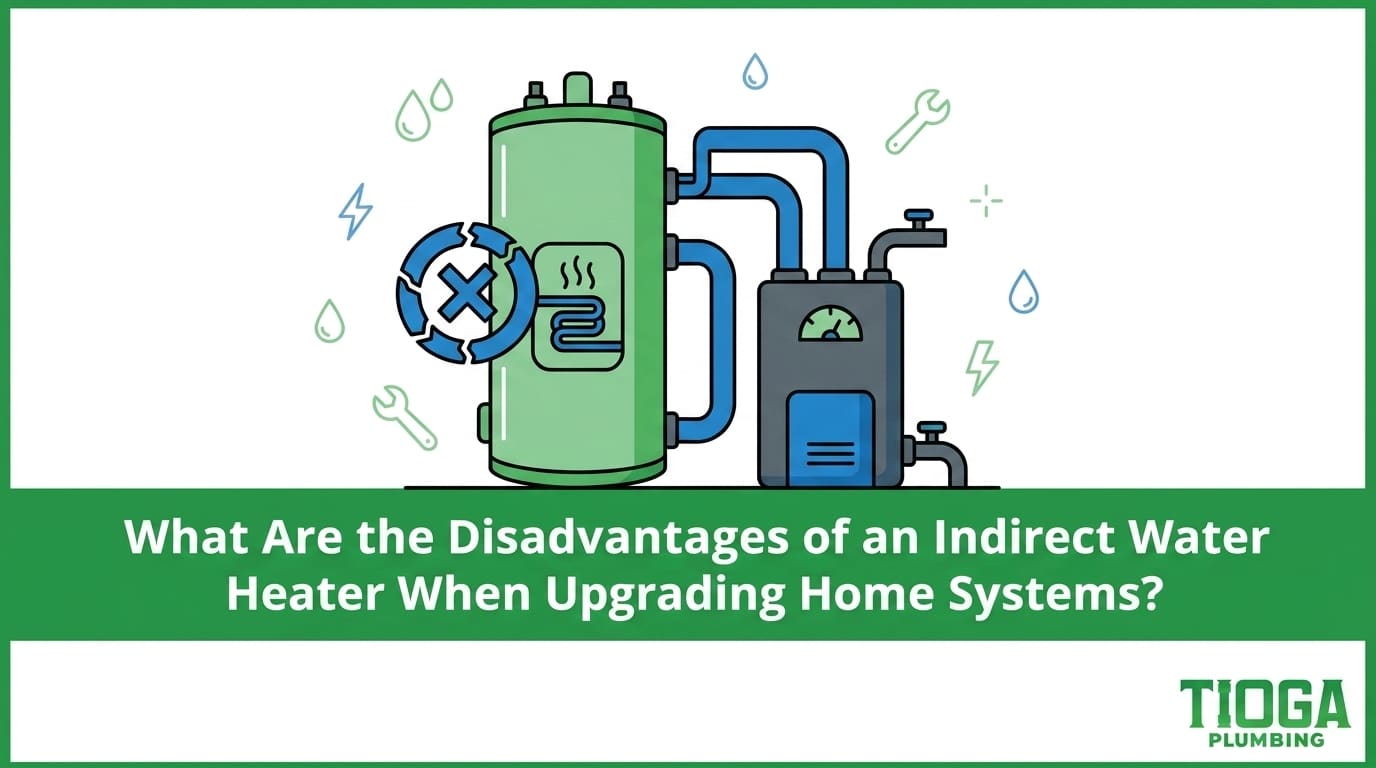
What Are the Disadvantages of an Indirect Water Heater When Upgrading Home Systems?
Navigating System Upgrades and Heavy Cooling Loads Your air conditioner is running non-stop to fight off the afternoon heat, but every time the compressor kicks on, the lights in your living room dim. In our years of keeping homes comfortable across Hurst TX, the team at Tioga Plumbing has found that when you start making... Read more »
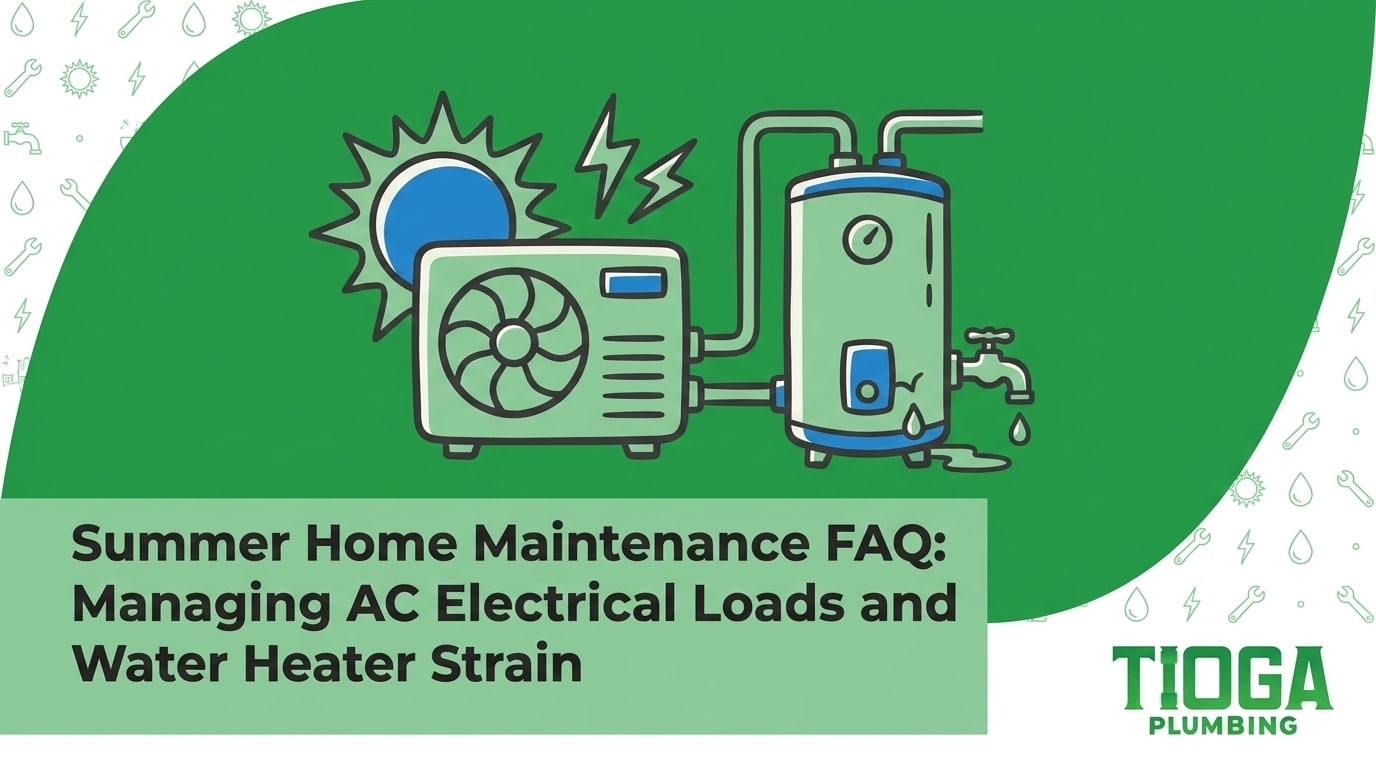
Summer Home Maintenance FAQ: Managing AC Electrical Loads and Water Heater Strain
Are Your Home Systems Ready for the Summer Heat? Is your air conditioner running nonstop, but your electrical panel keeps shutting it down? When putting together a seasonal home maintenance checklist, our team at Tioga Plumbing notices that most homeowners focus entirely on changing air filters and cleaning gutters. However, the extreme demands placed on... Read more »
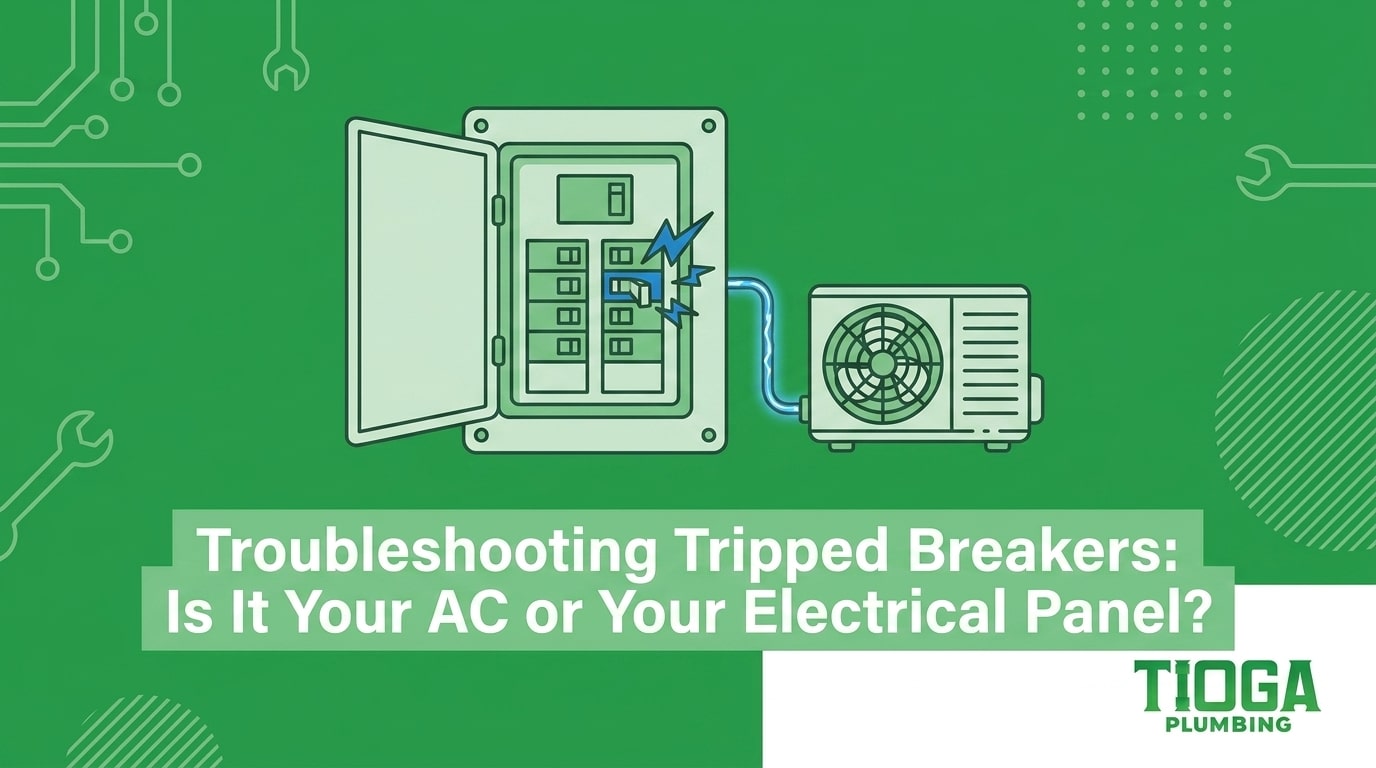
Troubleshooting Tripped Breakers: Is It Your AC or Your Electrical Panel?
The Myth of the Broken AC During a Heatwave When our dispatch team at Tioga Plumbing receives frantic calls on a scorching afternoon, most people believe that because their lights dimmed or the power abruptly cut out, their air conditioner has completely failed. However, when you are looking for reliable home maintenance tips and troubleshooting... Read more »
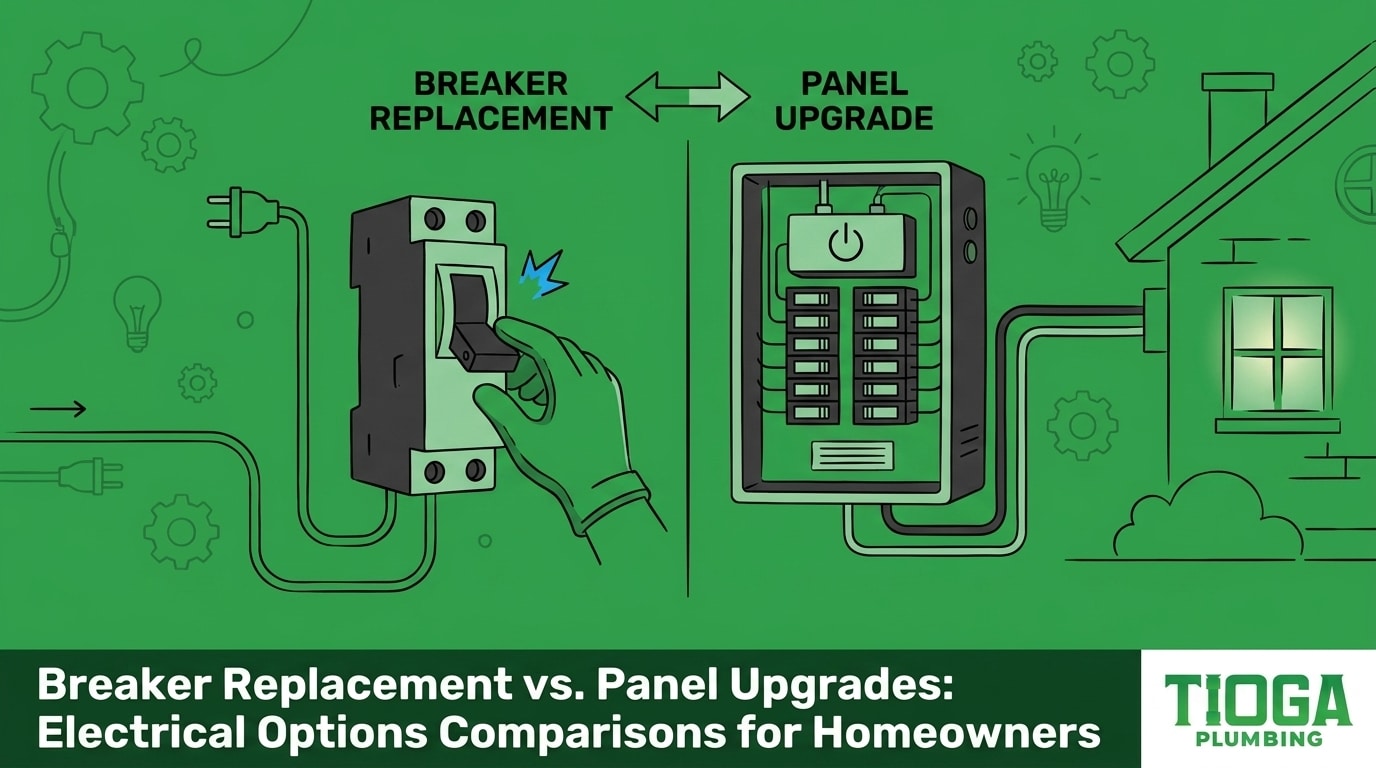
Breaker Replacement vs. Panel Upgrades: Electrical Options Comparisons for Homeowners
Is Your AC Constantly Tripping the Breaker in the Texas Heat? Are you finding yourself standing in front of your electrical panel every afternoon, flipping a tripped breaker just to keep your house cool? Losing your air conditioning during the July peak summer heat is more than just a minor inconvenience; it is a serious... Read more »
Got a $3,000+ Plumbing Quote? Get a Free Second Opinion
If another plumber handed you a quote of $3,000 or more, Tioga will come look at the same job for free and give you a written second opinion — even when the answer is that their price was fair.
Is the Gator Family Membership Worth $149 a Year?
One plan, $149 a year, ten inclusions. We do the arithmetic honestly — including who shouldn't buy it — and show where the membership pays for itself on a single service call.
How Plumbing Financing Works at Tioga (Step by Step)
Six steps from 'I can't pay for this today' to a scheduled repair. Tioga finances through Service Finance Company and Synchrony — a one-minute application that starts with a soft credit pull.
Water Softener vs. Whole-Home Filtration for DFW Homes
They solve different problems, and buying the wrong one is the most common water-treatment mistake we see. A side-by-side of what each removes, what it costs to run, and which DFW homes need both.
Drain Cleaning Cost in DFW: Auger vs. Hydro-Jetting
$185–$325 to auger one fixture, $285–$550 to clear a sewer main, $650–$1,200 to hydro-jet a lateral. Which one your symptoms call for, and why the cheapest option is sometimes the expensive one.
Taking a bite out ofYour Plumbing needs
We make fixing your home easier than ever. Whether it’s a leaky pipe, faulty wiring, or an urgent repair, our experts deliver fast, reliable solutions you can count on.